What does a woman who spends £80 on a face serum think when she looks at everything attached to her shower? Not just the filter. The showerhead. The rain shower. Everything.
If the answer is “plumbing fixture,” the brand has already failed — before she's even turned on the water.
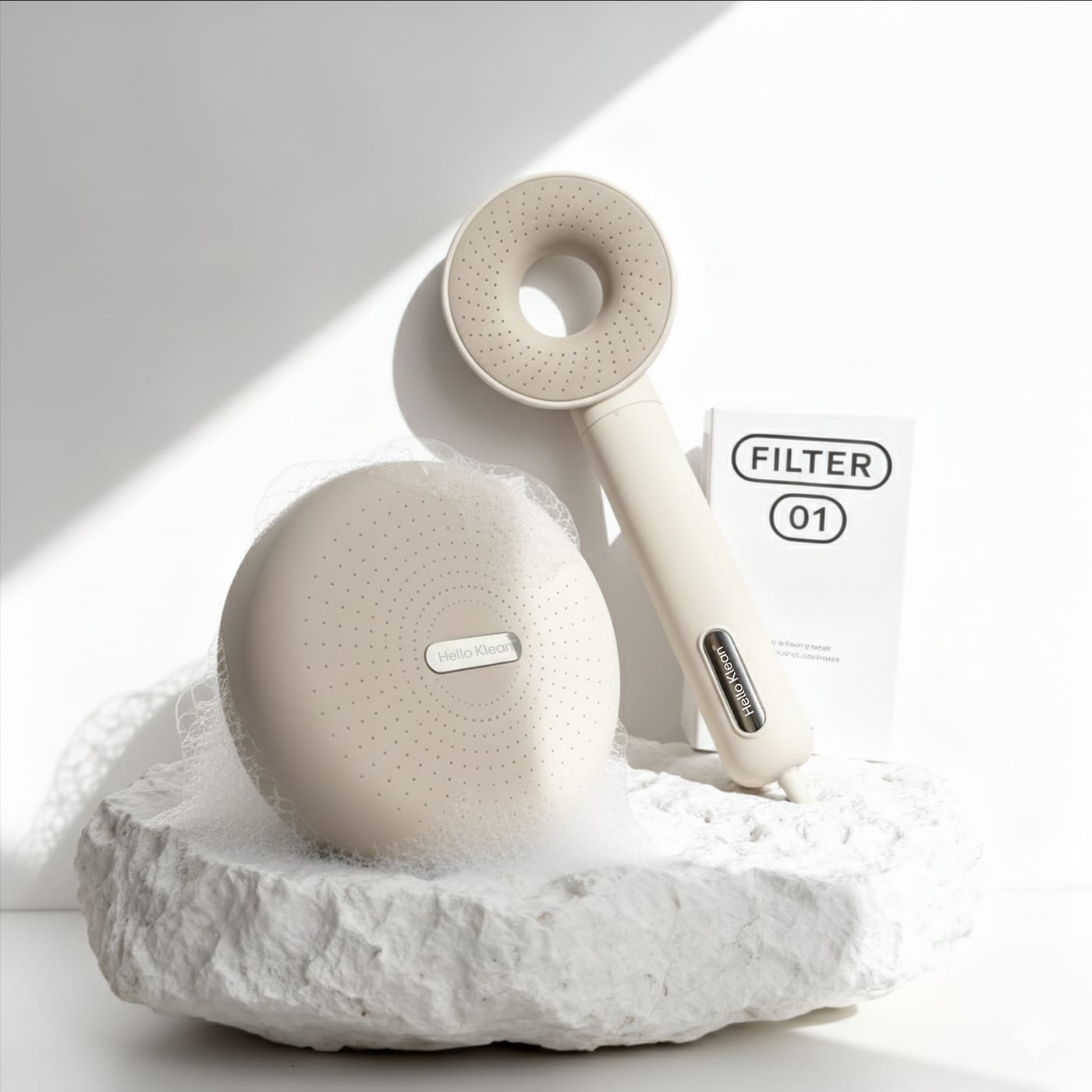
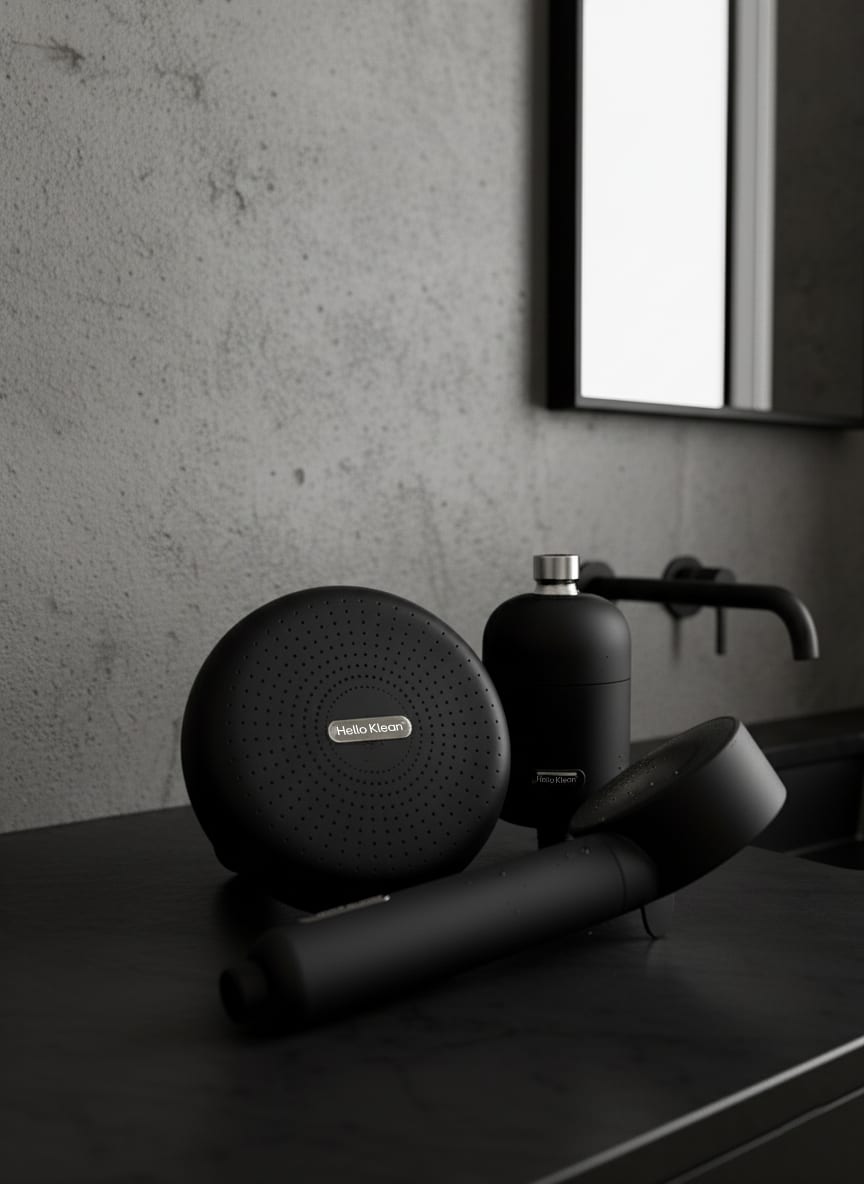
HelloKlean's brief grew from there. What started as a single filter became a full system: filter capsule, showerhead, rain shower. Three products. One design language. One answer to that question.
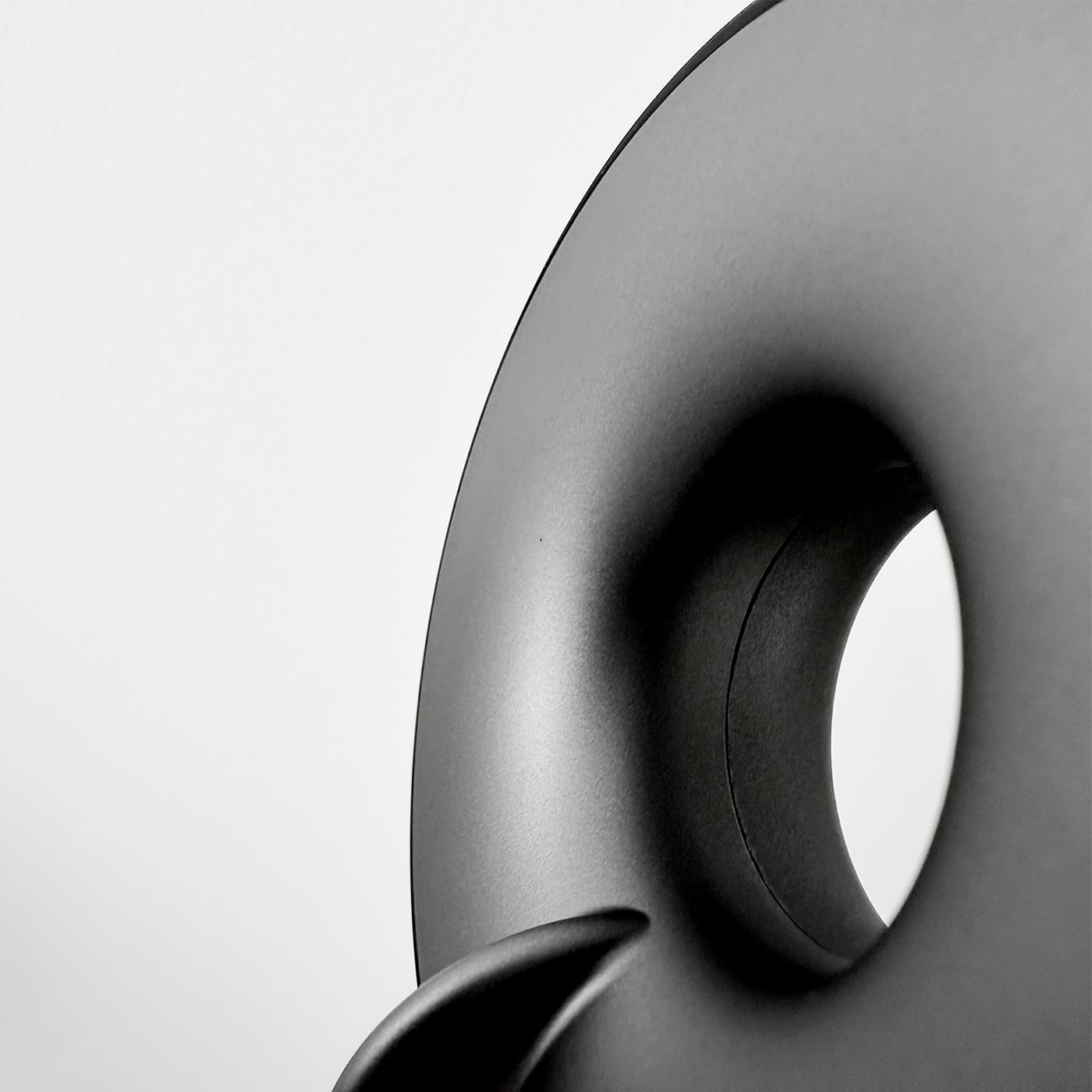
Surface, up close — matte where you grip, subtly reflective where the light hits.
The decision
One language. Every touch point.
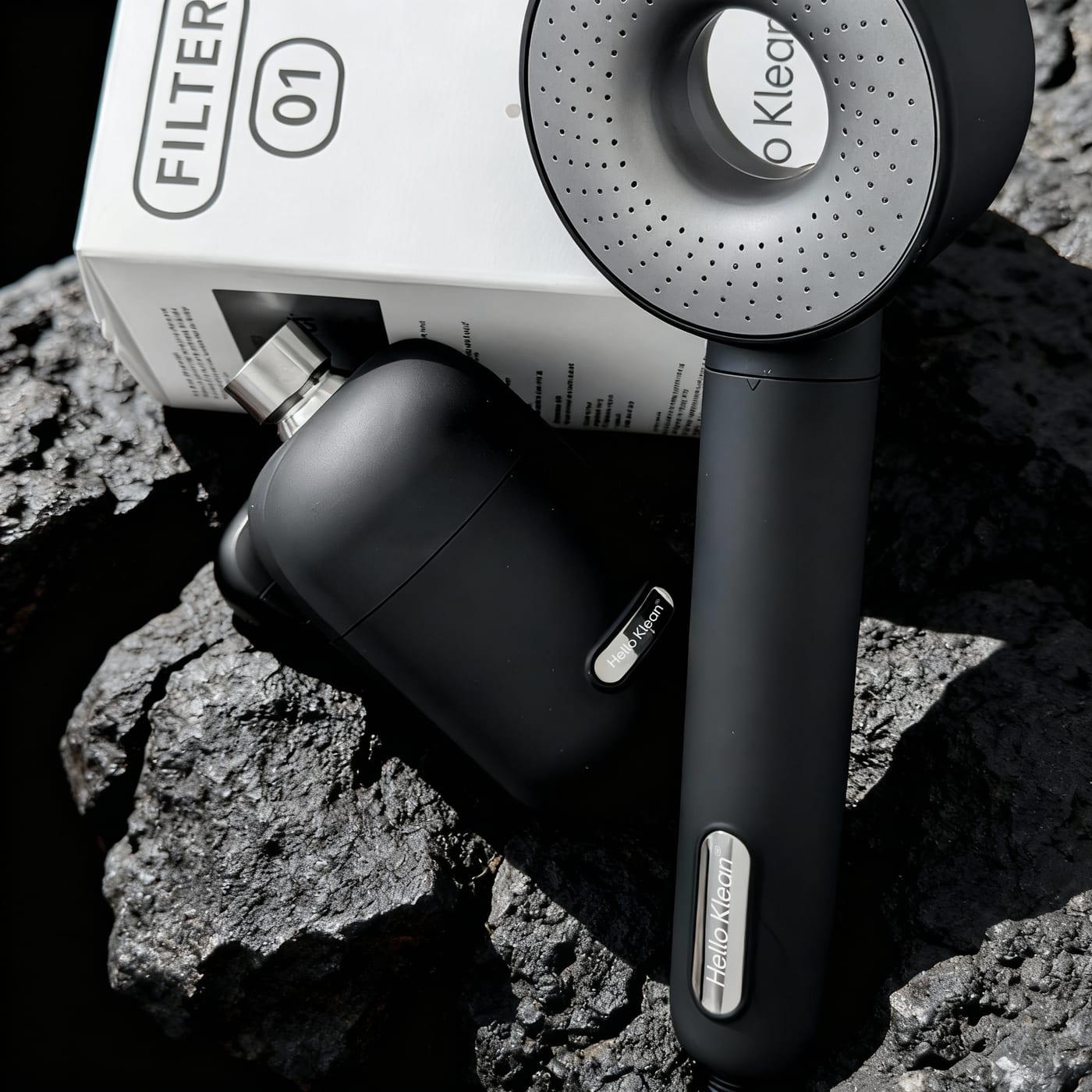
The three products were designed as a single family, not three briefs — the same form language, the same surface logic, the same signature at every point where water meets skin.
CMF strategy was the unifying thread. Colour was chosen to disappear against premium bathroom chrome without looking cheap, and to reappear as an intentional object when held. Matte where you grip. Subtly reflective where the light hits. Every interaction — the click of the capsule, the weight of the showerhead — calibrated to feel like precision skincare, not replacement parts.
A system tells a different story than a hero product: HelloKlean is not selling a component, it is selling a shower ritual. That changes how a brand is retailed — and how it is valued.
“The skincare category runs on touch before it runs on results. If someone doesn't want to hold your product, they won't trust what it does.”
The outcome
A system people choose to live with.
HelloKlean launched into a category that designed for concealment. Customers began photographing the system in their bathrooms and sharing it unprompted — the objects had earned a place worth showing.
A coherent product language changes what a brand can ask for. Brita made a strategic investment. Selfridges offered shelf space. Both read the system as a brand — not a batch of components.