Industrial Design · Japan · 2022
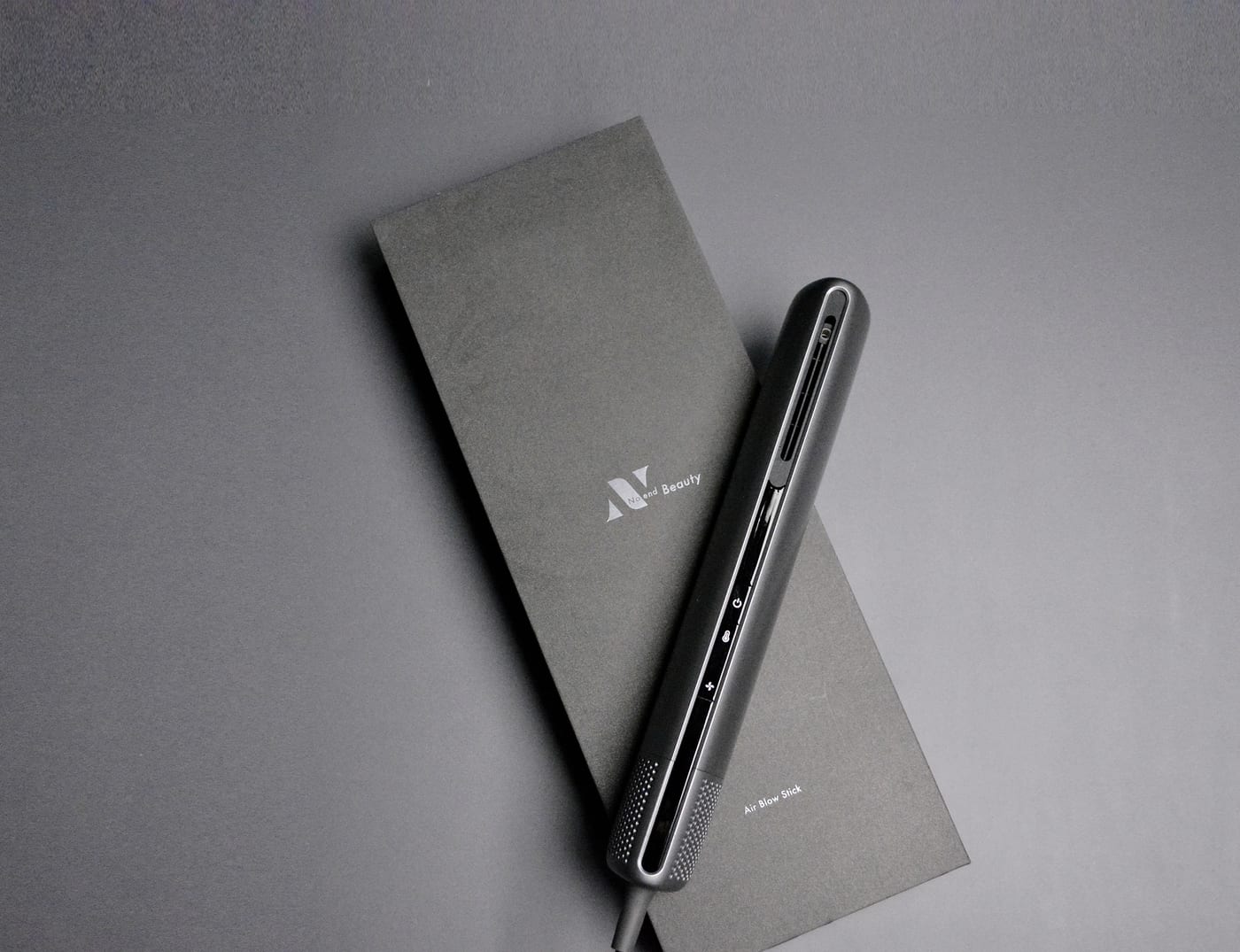
High-speed airflow, given a form that communicates precision before you turn it on.
The problem
The category is ruled by two archetypes: the pistol-grip dryer every hotel provides, and the Dyson-inspired cylinder. Noend had motor technology that outperformed both — trapped inside a silhouette that said nothing about the difference.
And Japan's consumer electronics media don't evaluate technology alone. They ask whether the object in front of them justifies existing. That is a different question.
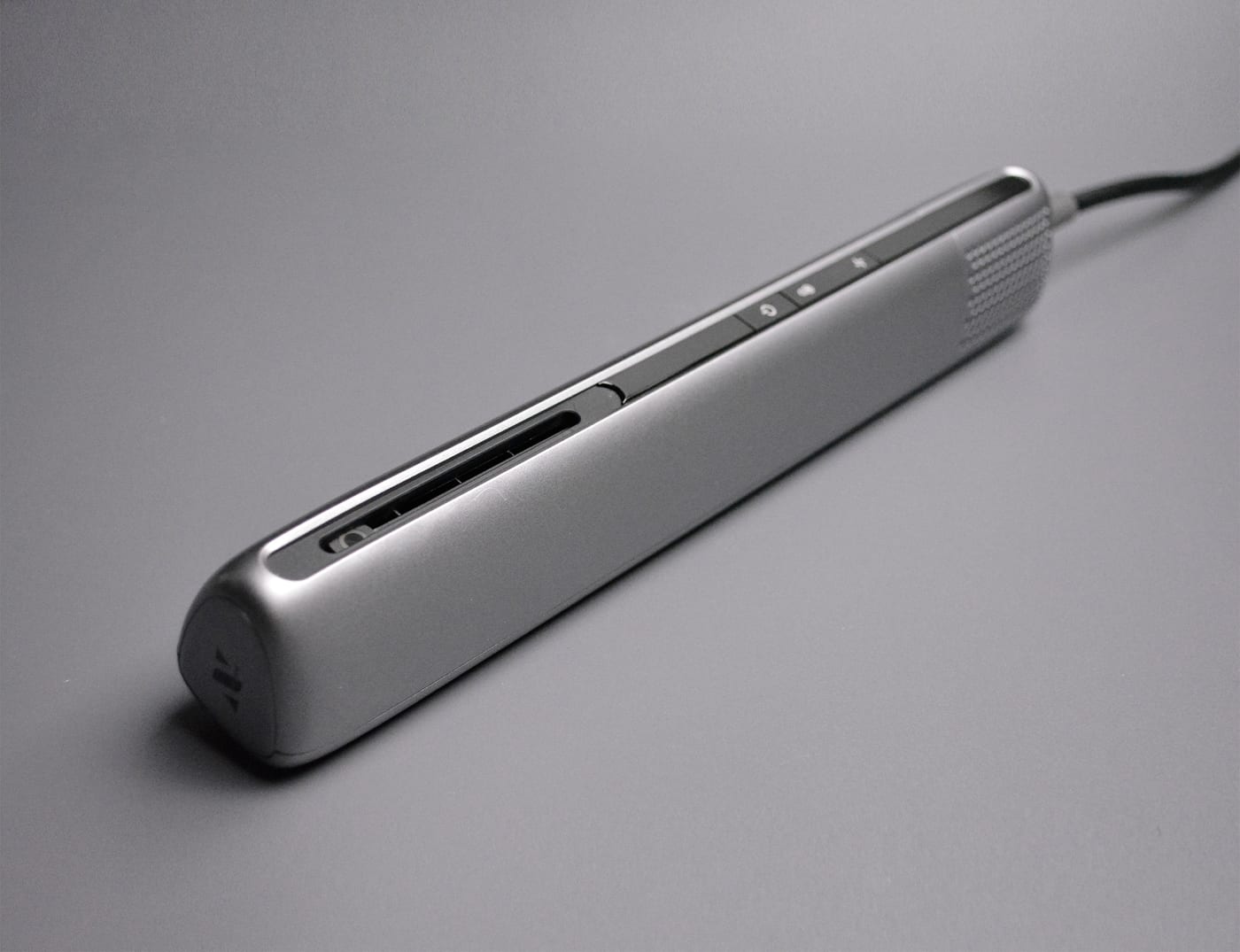
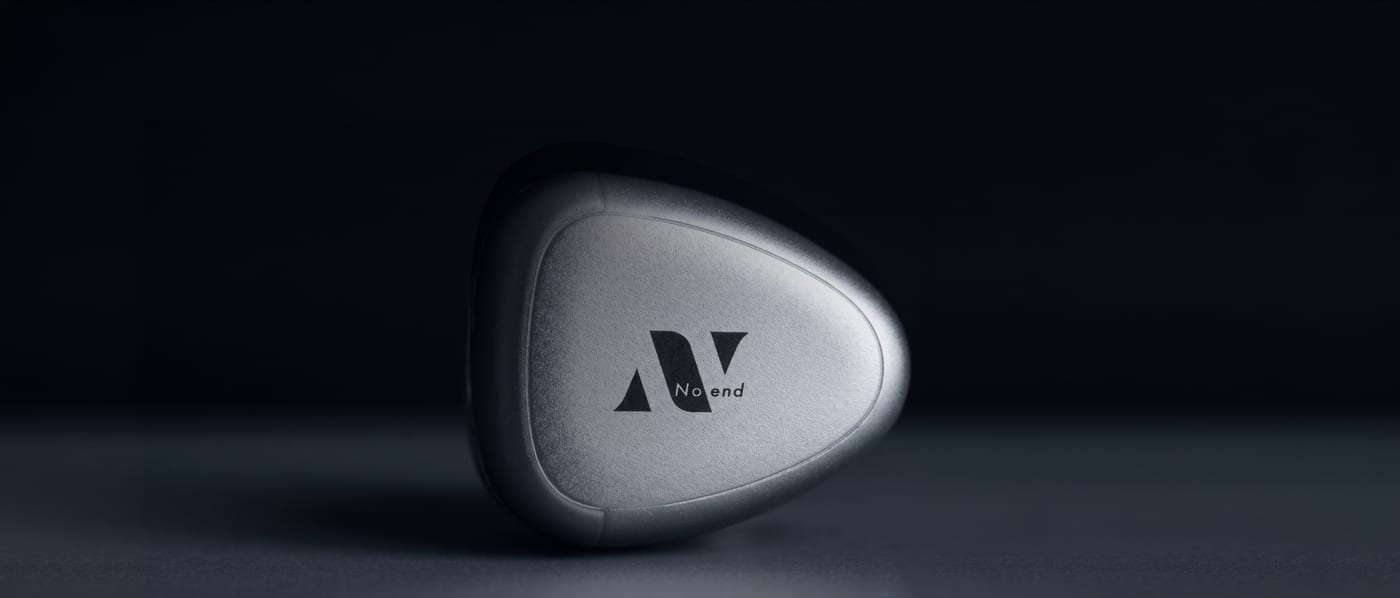
The triangular cross-section, up close — derived from usability and airflow studies.
The decision
The brief was clear: remove the pistol grip. The angle forces the wrist into an unnatural position, and after a full blowdry that fatigue is a product problem, not a user problem.
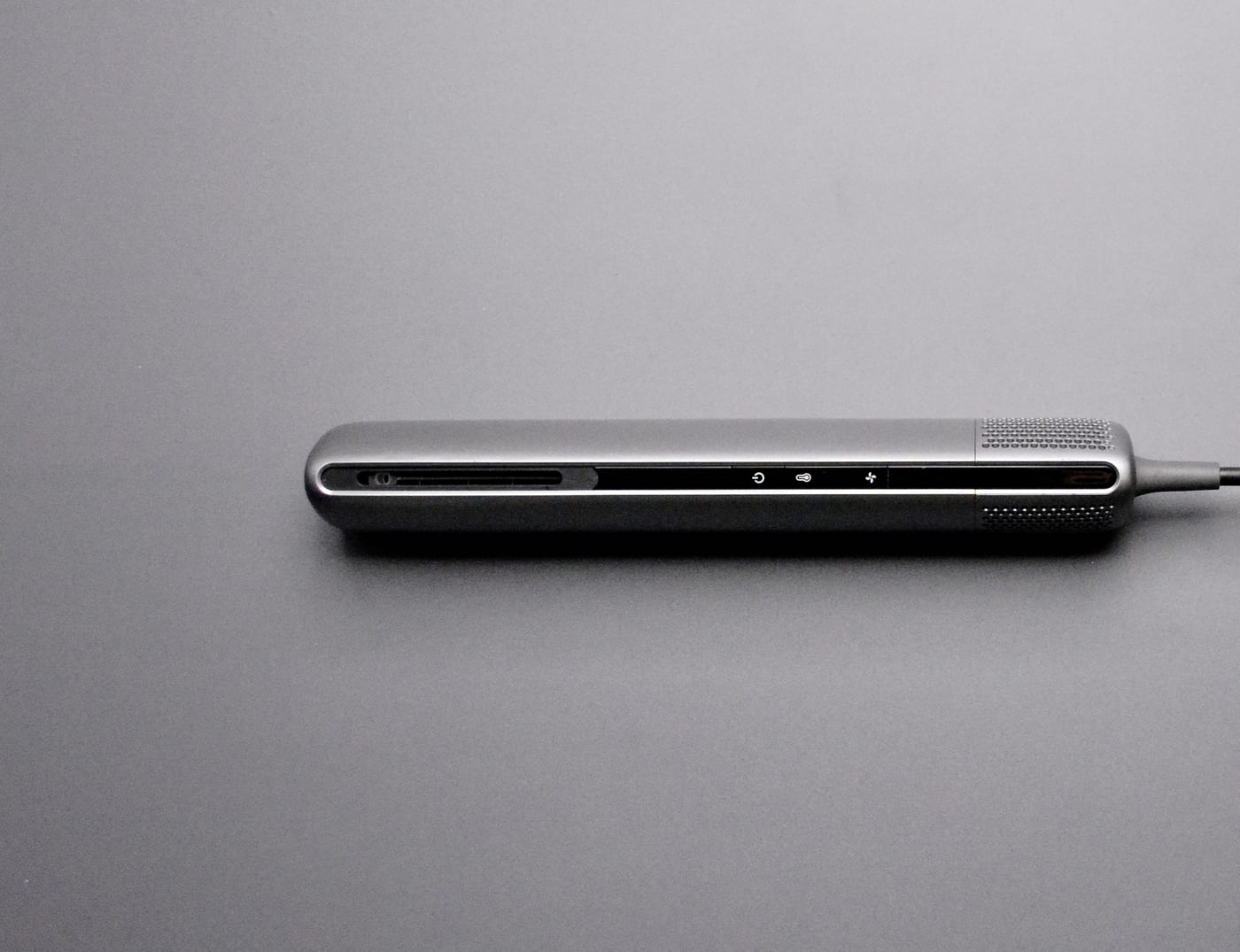
The triangular cross-section came from that — three faces that tell the fingers where to sit without asking them to think. The grip problem was solved.
What emerged in development was unexpected: the triangular housing channels high-speed air more efficiently than an equivalent cylinder. The form that solved the grip solved the performance, too. Not by styling — by discovery.
“The best products don't look designed. They look inevitable.”
The outcome
Featured in Kaden Hihyoban Best Buy — Japan's leading consumer electronics media, in a market deeply skeptical of new brand claims.
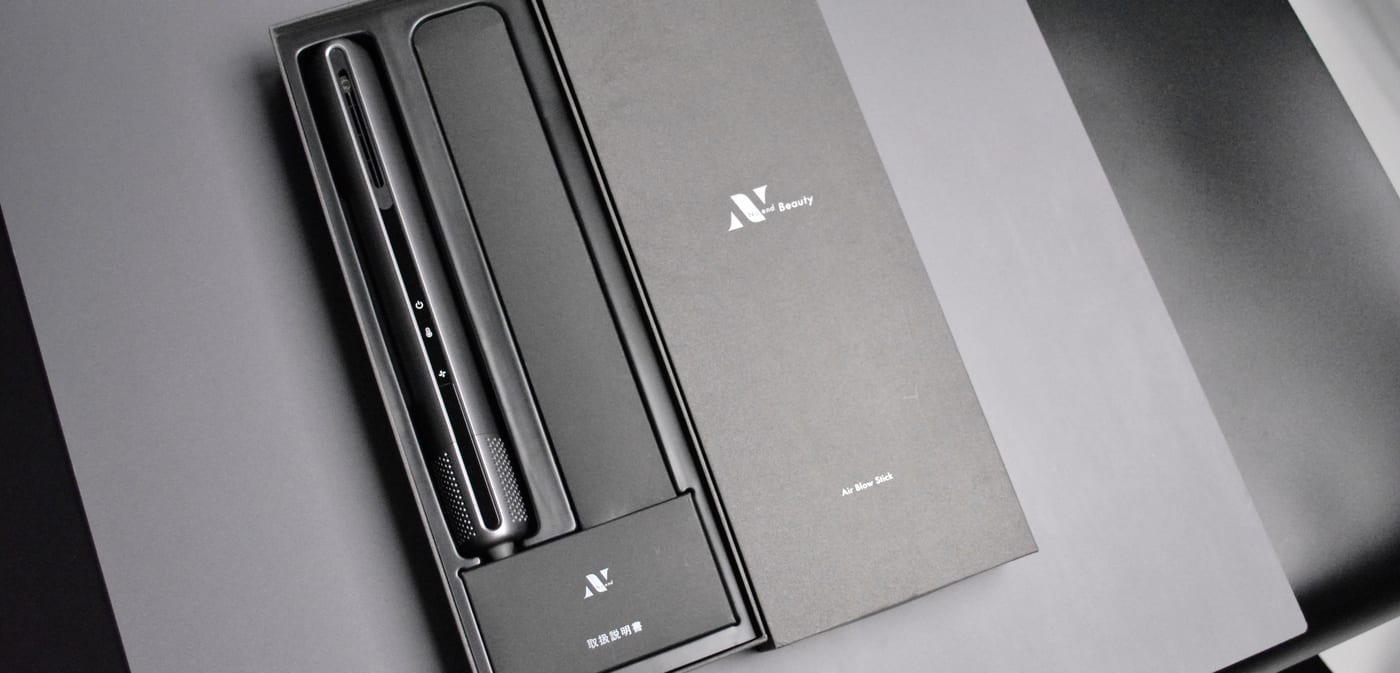
There, the object itself is the proof: a product that looks made with care earns trust the marketing budget cannot. That is the direct line between Japanese manufacturing discipline and a DTC brand whose customer decides with the product in her hands.
Form study — a triangle earned from usability and performance research.