A humidifying air purifier designed to explain itself without a single word — and to disappear into the room when it has nothing to say.
For eight years I designed air purifiers inside the team at the maker that leads Japan's market. The question we were asked most often was never about filtration. It was this: I know clean air matters — but how do I actually know the air is being cleaned?
It is a fair question. A purifier lives in a home for years. It runs while you sleep, while children play on the floor, while the seasons turn dry and wet again. And as cleaning performance climbed, the doubt only grew louder: I bought a large box that takes up the corner of the room, and I have no way of knowing whether it is doing anything at all.
Two problems, really. The machine does important work, but it speaks in a language almost no one reads — indicator codes, manual pages, a row of blinking symbols. So it gets tolerated, not kept: tucked behind a sofa, trusted on faith.
I wanted to reverse both — to make the cleaning itself visible. An object calm enough to leave in the open, and honest enough to show what it was doing without asking you to learn how.
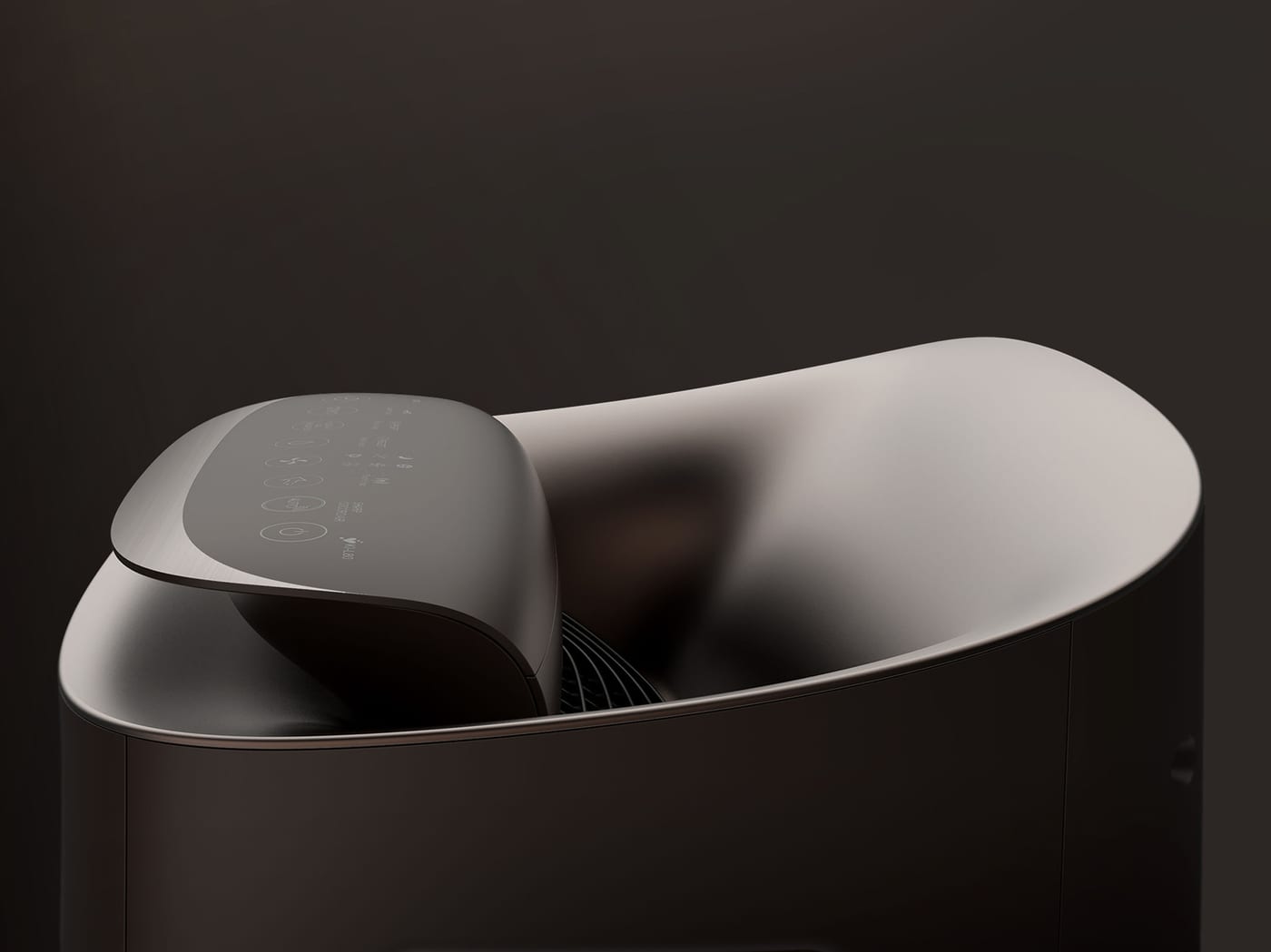
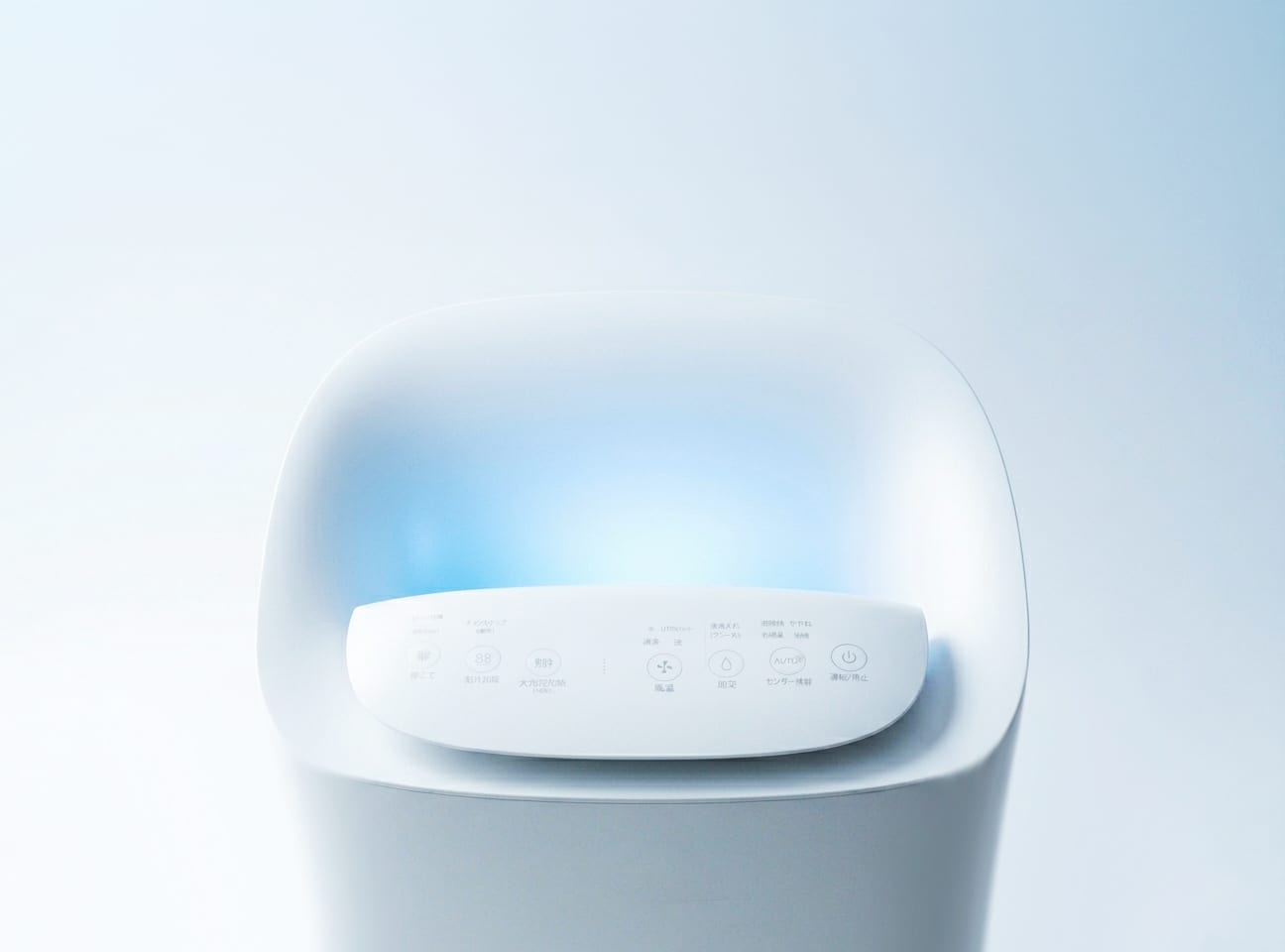
No joints, no gaps at the outlet — one uninterrupted surface for clean air to leave through
On an air purifier, that has to hold even more strictly. Customers are worn out by advertising language, claims stacked from ornate words. The product itself has to do the translating: the cleaning, the whole path of the air, made legible. A square box wrapped in rows of grilles can never let anyone feel the quality of the air directly.
Purest Flow — the closest words I found to the intention behind the design. The product itself, through a naturally integrated breath, shows the cleaning of the air happening, again and again.
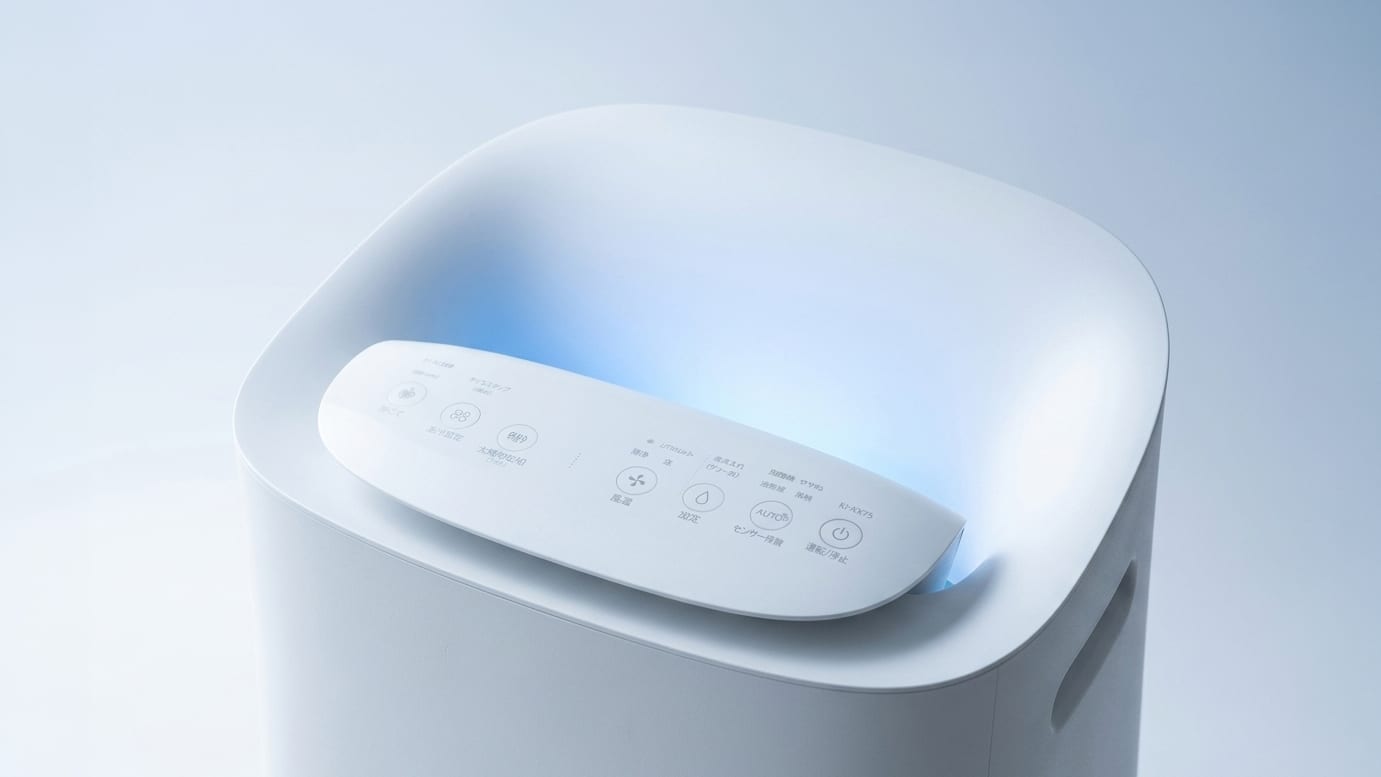
The clearest decision was at the air outlet. No industrial grilles, no screws, no seam lines. Clean air flows out without visual interruption — and the eye reads that smoothness as the quality of the air itself. The form became the explanation.
"When a concept is clear enough, the object speaks for itself — in any language."
Instead of a screen to read, the object communicates through light that rises and falls like breathing. A soft blue glow means the air around you is clean. A warmer signal low on the body means it is drawing the room in to work on it.
There is nothing to memorise. A child crossing the room, a grandparent who never opened the manual — both understand the state of their air in the time it takes to look. The status became atmosphere, not information.
This is what "needs no words" means in practice: the technology is translated into life and mood, and the form carries it. You feel the clean air a step before the machine has finished making it — the person outside simply feels informed, without ever being told.
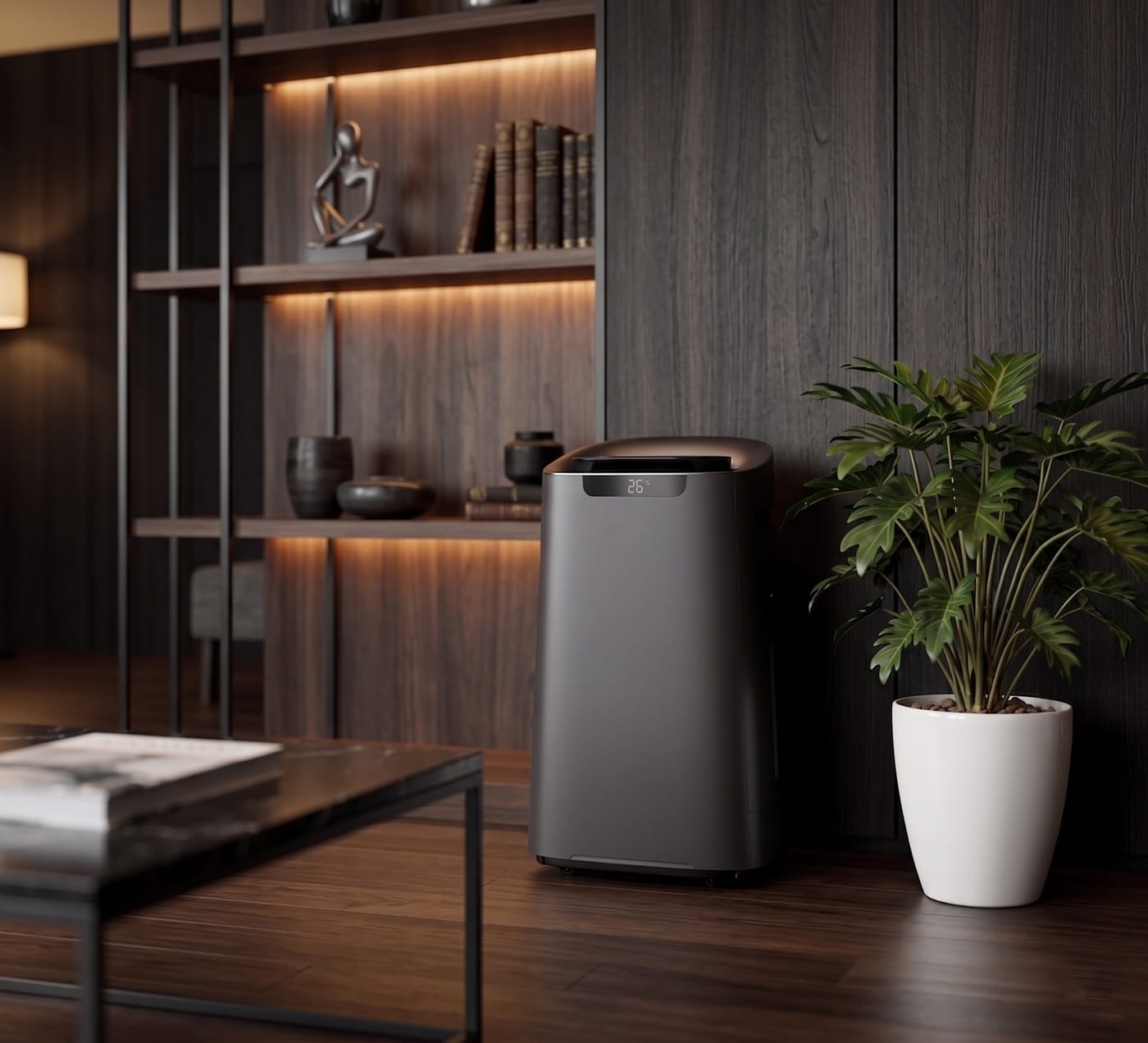
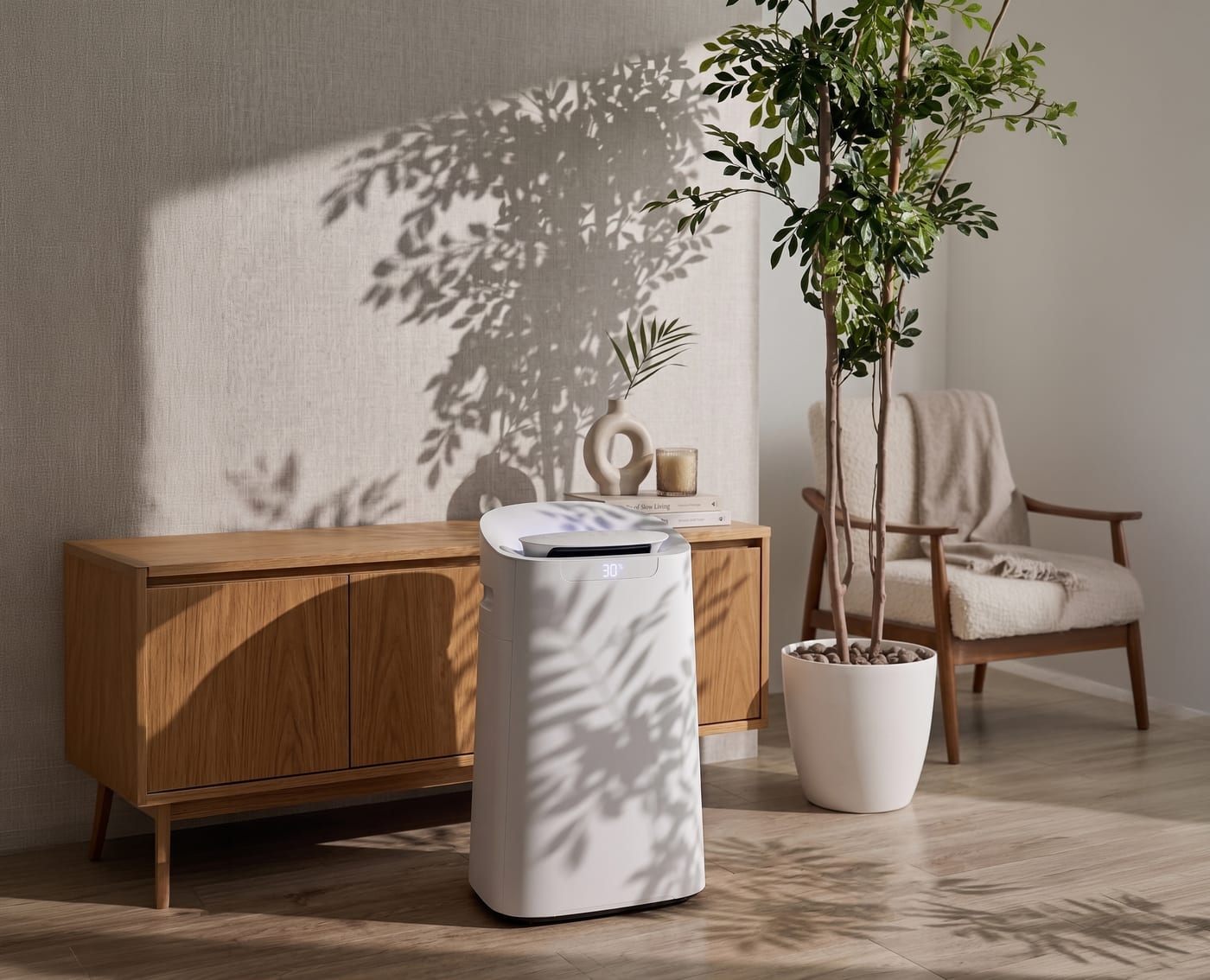
An appliance calm enough to leave in the open — kept in the room, not hidden from it
The design was recognised with both the Good Design Award in 2019 and the iF Design Award in 2021 — two juries, two design cultures, arriving at the same conclusion about an object built to be read without language.
What made me happier was simpler. One customer wrote in: I love its blue light — it's so soft, it makes the air feel clean, too. There is no higher privilege for a designer: to let someone experience pure air more directly, with nothing more than their own eyes.